Fitness
PVC vs TPE vs Natural Rubber Yoga Mats: Which Material Is Right for You?

Published
This article may contain affiliate links. If you buy through them, we may earn a commission at no extra cost to you. Read our affiliate disclosure · How we review
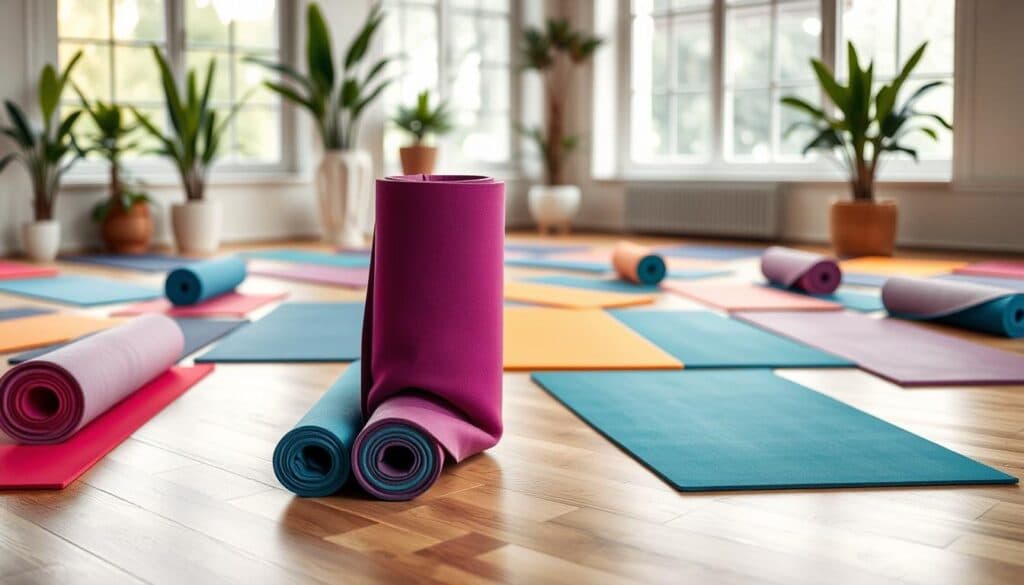
PVC, TPE or natural rubber? How the three main yoga mat materials compare on grip, durability, weight, latex and environmental impact.
Quick Comparison
| Option | Best For | Key Feature |
|---|---|---|
| PVC | Durability and easy cleaning | Grips the floor well; latex-free; not biodegradable |
| TPE | Light mats for carrying to class | Lighter, may be recyclable; wears sooner than PVC |
| Natural rubber | Grip and sustainability | Strong traction; heavier; usually contains latex |
On this page
Yoga mats look similar, but the material decides how they grip, how long they last, how heavy they are, and how they affect the environment. Here’s how the three most common materials compare.
This comparison is about types of equipment, not specific models, and it’s based on the published sources listed at the end. We haven’t tested particular products for it, so it doesn’t rank or score any.
PVC
PVC mats are durable, easy to clean, and grip the floor well, which is why they’ve been the standard for years. They’re latex-free. On the downside, they aren’t biodegradable, and they can get slippery if you sweat heavily.
TPE
TPE (thermoplastic elastomer) is a blend of plastic and rubber polymers. TPE mats are usually lighter than PVC and may be recyclable, which makes them a more environmentally friendly plastic option. They tend to wear out sooner than a PVC mat of the same thickness.
Natural rubber
Natural rubber mats offer strong traction for hands and feet and are a more sustainable choice. They’re heavier to carry and usually contain latex, so they’re not suitable if you have a latex allergy. Check the label before you buy.
Which should you choose?
- PVC if you want a durable, easy-care mat and don’t mind that it’s plastic.
- TPE if you want something light for carrying to classes and a lower-impact plastic.
- Natural rubber if grip and sustainability matter most and you don’t have a latex allergy.
- Whatever the material, choose the thickness for your practice; see our yoga mat buying guide.
Related reading
Frequently Asked Questions
Which yoga mat material is the most eco-friendly?
Natural materials such as natural rubber are the most sustainable. TPE is generally a lower-impact plastic than PVC.
Which yoga mat material is best for sweaty hands?
Natural rubber usually offers the best traction. PVC can get slippery with heavy sweat, so a yoga towel helps.
Are TPE mats safe for a latex allergy?
TPE and PVC mats are generally latex-free, but always check the manufacturer's label.